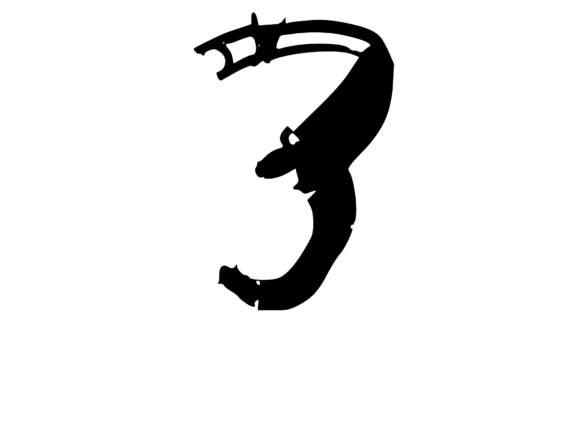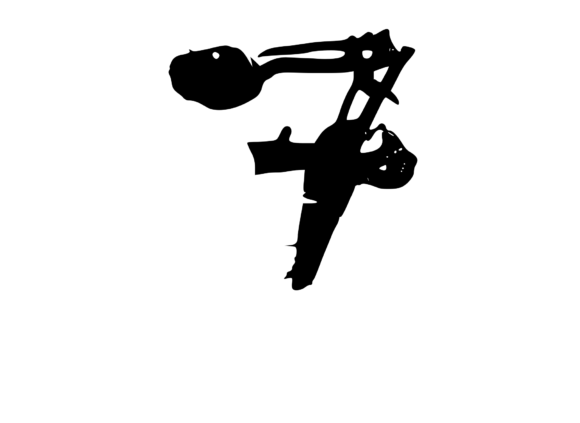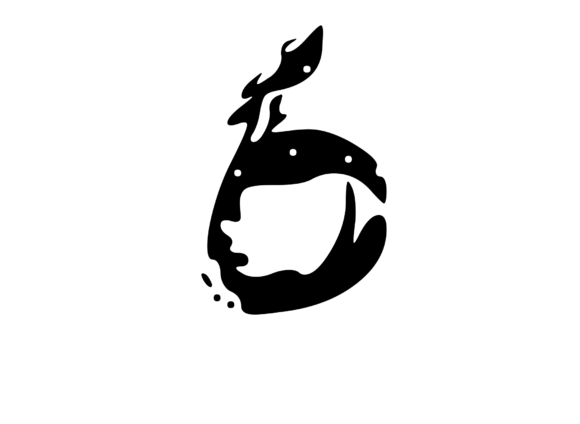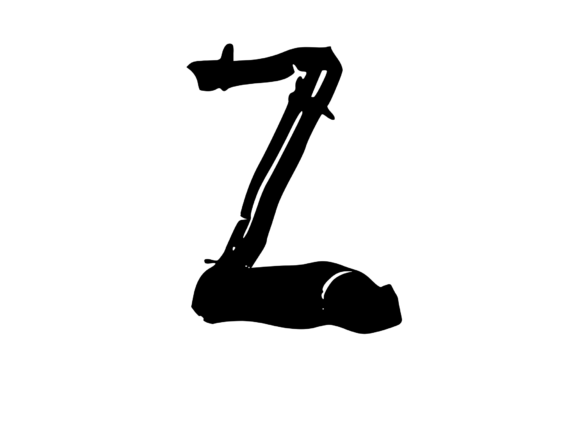
Bold Rotten Decaying Mono Number 2 Review
A First Look at the Visual Personality
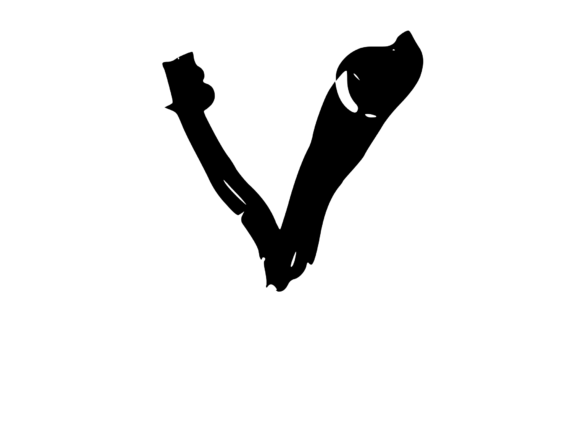
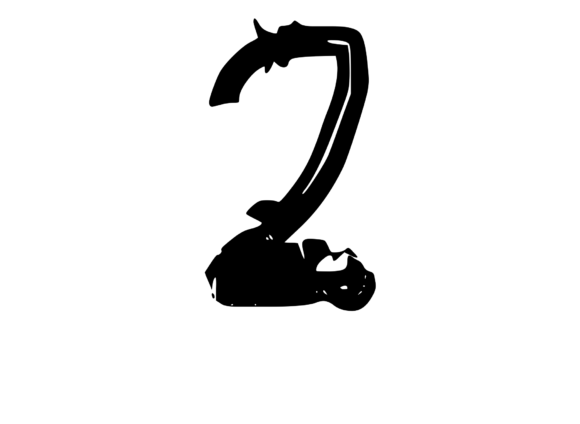
When I first opened the Bold Rotten Decaying Mono Number 2, I was immediately drawn to its raw, edgy aesthetic. The design carries a mood of decay and grit that’s perfect for those looking to add a touch of rebellious style to their embroidery projects. It has a minimalist yet powerful layout with sharp lines and deep contrasts that scream for attention. This kind of visual language is ideal for custom apparel, patches, or even tote bags where the message needs to be bold and unapologetic.
The theme feels like it belongs on a leather jacket or a distressed denim bag. It's not something you'd see on a baby onesie, but if you're aiming for a gothic or alternative vibe, this could be your go-to design. The detail level is just right—enough to make a statement without overwhelming the fabric.
Real-Life Application: Custom Embroidered Tote Bag
Let’s imagine a real-life scenario: preparing a custom embroidered tote bag for a boutique brand that specializes in urban streetwear. I’d start by considering how the Bold Rotten Decaying Mono Number 2 would look on a canvas tote. Would the design sit well on a dark fabric? How would the stitching clarity hold up under different lighting conditions?
I’d test the design on scrap fabric first. Checking thread color contrast is essential here. If using black thread on a white background, the design will pop. But if the fabric is dark, the same black thread might get lost. That’s why reviewing stitch density and confirming hoop size before finalizing the project is crucial.
This design works best when placed on larger surfaces, like tote bags or sweatshirts, where it can breathe and have space around it. On smaller items like caps or patches, it might feel too heavy or cluttered unless the design is scaled down carefully.
Performance in Real Embroidery Situations
The Bold Rotten Decaying Mono Number 2 performs exceptionally well in commercial embroidery settings. Its clean lines and structured form make it suitable for custom apparel, such as sweatshirts, t-shirts, and even baby clothes—if the theme fits the product. For example, a gothic-themed baby blanket with this design could be both unique and eye-catching.
However, there are some limitations. When working with small hoop sizes or textured fabrics, the design may lose some of its impact. Thin or stretchy fabrics can also challenge the stability of the stitches, especially in dense areas. Using proper stabilizer becomes non-negotiable in these cases.
For products that need frequent washing, like aprons or pillow covers, the design should be tested for durability. While the visual appeal is strong, the long-term performance on washable items depends heavily on the thread quality and fabric choice.
Design Considerations for Commercial Use
If you’re an Etsy seller or running a craft business, the Bold Rotten Decaying Mono Number 2 can elevate your product lineup. It adds a unique edge to handmade products, personalized gifts, or boutique branding. However, it’s important to ensure the design aligns with your brand identity and target audience.
Before selling finished items or digital products, always confirm the licensing terms. Many machine embroidery designs come with restrictions on commercial use, so it’s vital to check what’s allowed. Additionally, testing the design in black and white mockups helps visualize how it will appear on different fabric backgrounds.
Embroidery designers should also inspect small details closely. If the design includes tiny lettering or intricate corners, they may require more careful handling during the stitching process. A higher stitch density might be needed for visibility on light-colored fabrics, while lower density could work better on darker ones.
Final Thoughts and Practical Notes
The Bold Rotten Decaying Mono Number 2 is a versatile design that can stand out in the right context. Whether you're creating a custom patch for a band, a holiday gift with a twist, or a commercial embroidery project, this design brings a distinctive personality to any product.
To ensure the best results, always test the design on scrap fabric first. Check thread color contrast, review stitch density, confirm hoop size, and inspect small details. These steps will help avoid potential issues and ensure the finished product looks as good as intended.
As a designer, I find that the key to making this design work lies in understanding its visual language and matching it with the right product. With the right approach, the Bold Rotten Decaying Mono Number 2 can become a standout feature in your embroidery collection, adding both value and visual interest to your handmade creations.