Bold Rotten Decaying Mono Number 7 Review
A First Look at the Visual Mood and Design Personality
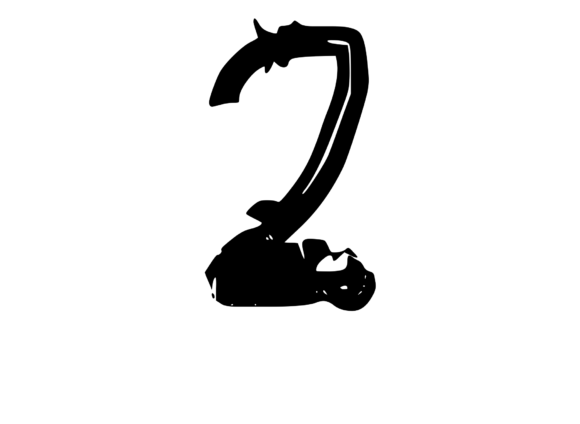
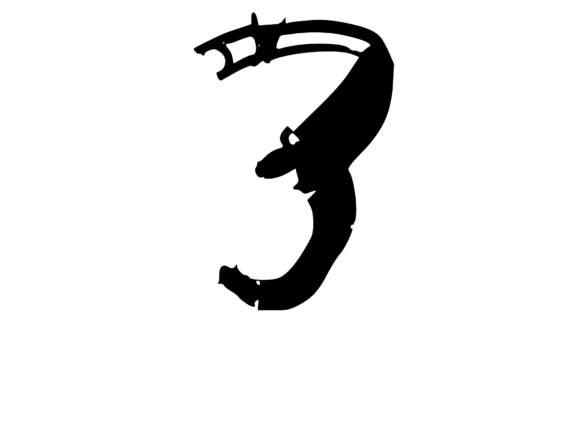
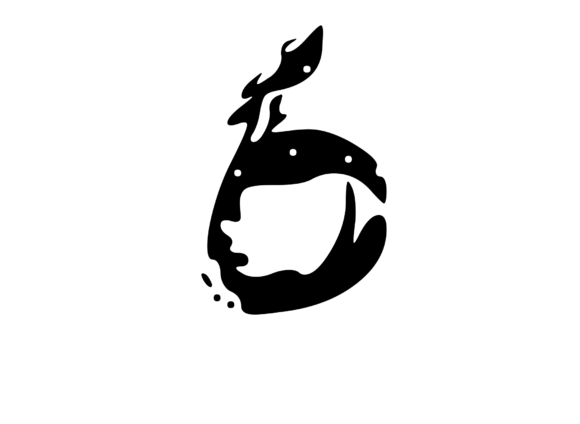
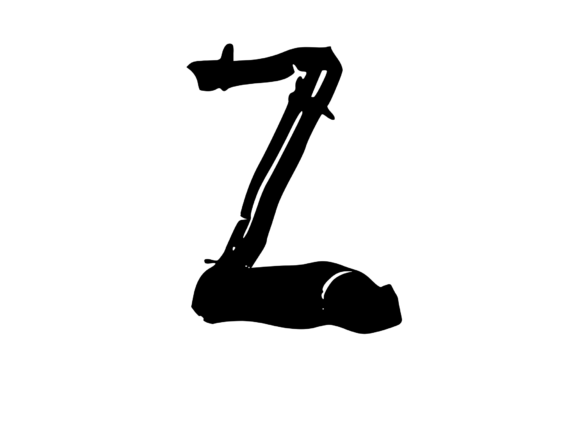
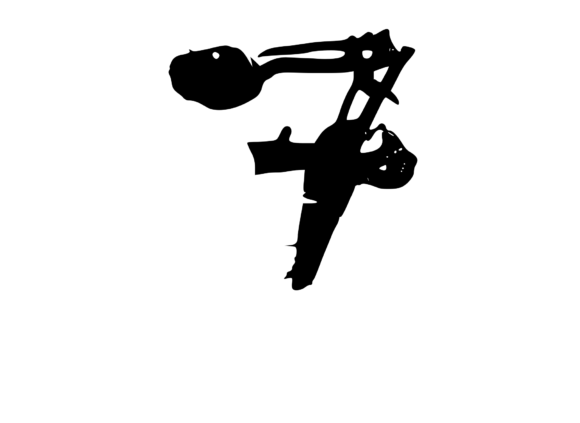
At first glance, Bold Rotten Decaying Mono Number 7 gives off a distinct vibe. It’s not your typical cheerful or minimalist embroidery design—it carries an edgy, slightly grungy aesthetic that feels like it belongs on a piece of urban art or a rebellious statement piece. The number 7 is rendered in a way that suggests decay, with jagged edges and uneven lines that evoke a sense of imperfection and raw energy.
This kind of design naturally fits into projects where the mood is more alternative or avant-garde. I can see it working well on custom apparel for a small shop that sells streetwear-inspired products, or even as a unique patch for a handmade jacket. Its visual personality leans toward being eye-catching rather than subtle, which makes it a good fit for those looking to stand out in a crowd.
How It Performs in Real-Life Embroidery Projects
When considering how Bold Rotten Decaying Mono Number 7 would perform in actual use, there are several factors to think about. For instance, if you're planning to embroider this design onto a tote bag, the texture of the fabric will play a big role. A thicker canvas or denim would handle the bold lines and contrast better than a thin cotton fabric.
The design’s structure also means it might not be ideal for very small hoop sizes. If you're aiming to stitch it onto a cap or a tiny patch, you'll need to make sure the details still come through clearly without getting lost in the stitching process. That said, for larger items like sweatshirts, aprons, or pillow covers, the design has a lot of potential to shine.
Another thing to consider is the fabric color. This design works best on lighter backgrounds where the contrast between the thread and the fabric is clear. On dark fabrics, unless you’re using bright thread colors, the design might lose some of its impact. Testing it on scrap fabric before committing to a final product is always a good idea.
Where to Use It Carefully
Bold Rotten Decaying Mono Number 7 isn’t a one-size-fits-all design. There are certain scenarios where it needs to be handled with care. For example, if you're working with stretchy fabrics like knits or jerseys, the design may not hold up as well due to the fabric's tendency to stretch during and after stitching. A proper stabilizer is essential here to prevent distortion.
Similarly, if you're planning to place this design on curved surfaces—like a cap brim or a curved part of a tote bag—you’ll need to adjust the layout or ensure the hoop size allows for proper tension. Tiny lettering or intricate corners might also become problematic if the design isn't scaled appropriately for the project.
Also, keep in mind that frequent washing could affect the longevity of the embroidery, especially if the fabric isn’t pre-treated or if the right stabilizer isn’t used. This is something to consider when designing products meant for regular use, such as aprons or tote bags.
Visual Appeal and Project Value
One of the biggest draws of Bold Rotten Decaying Mono Number 7 is its ability to add character and uniqueness to any project. Whether you're creating personalized gifts, boutique merchandise, or commercial embroidery designs, this piece has the potential to elevate the overall look and feel of the finished product.
For Etsy sellers or craft fair participants, this design could be a great addition to a collection of machine embroidery designs that cater to niche markets. Its boldness and edge appeal might attract customers who are looking for something different from traditional floral or cute-themed embroidery.
However, the design's strength also means it needs to be paired with the right context. It won’t work well on baby clothes or nursery decor, for example, unless the target audience specifically wants a darker, more unconventional look. Understanding your customer base is key to ensuring the design aligns with their expectations.
Practical Embroidery Designer Notes
If you're planning to use Bold Rotten Decaying Mono Number 7, here are a few practical steps to take before starting your project:
- Test on scrap fabric: Always do a test run to see how the design looks in real life and how it reacts to your chosen thread colors and fabric type.
- Check thread color contrast: Make sure the colors you choose stand out against the fabric background.
- Review stitch density: If the design has dense areas, ensure your machine can handle the load without overheating or causing skipped stitches.
- Confirm hoop size: Choose a hoop that allows the entire design to fit comfortably without stretching or distorting the fabric.
- Inspect small details: If the design includes fine lines or textures, make sure they show up clearly after stitching.
- Test in black and white mockups: This helps assess how the design would look on different fabric colors.
- Use proper stabilizer: Especially important for stretchy or thin fabrics.
- Check licensing: Before selling any finished products or digital assets, confirm whether the design is licensed for commercial use.
Whether you're an embroidery designer, craft business owner, or Etsy seller, Bold Rotten Decaying Mono Number 7 offers a unique opportunity to bring a bold, unconventional style to your embroidery project. Just be sure to approach it with a clear understanding of its strengths and limitations so you can create a finished product that truly stands out.